
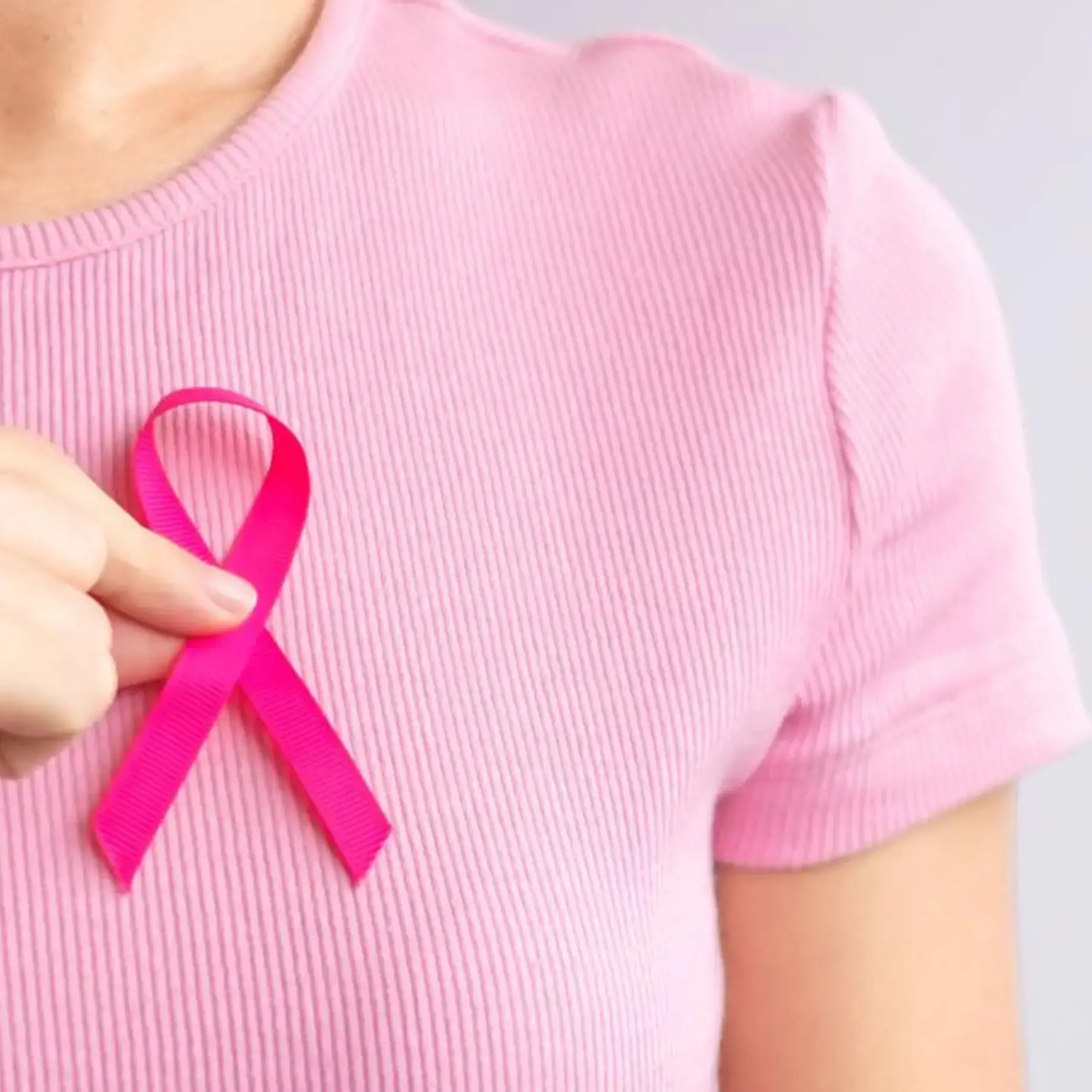
Breast cancer: symptoms, risk factors, diagnosis, and treatment
Breast cancer is a cancer that develops in breast cells. When changes called mutations occur in the genes that regulate cell growth, they allow cells to divide and multiply uncontrollably. Fortunately, early detection has helped increase survival rates for breast cancer patients, and the number of deaths associated with this disease is steadily declining. This is due to increased research funding and strong support for breast cancer awareness, which has led to significant advancements in breast cancer diagnosis and treatment.
What are the symptoms of breast cancer?
Breast cancer symptoms vary from person to person and may not cause any symptoms in its early stages.
Some warning signs of the most common breast cancers include:
Any change in the size or shape of the breast.
Thickening or swelling of any part of the breast.
Redness or scaling of the skin, resembling the peel of an orange.
A lump in the breast or thickening of tissue that feels different from the surrounding tissue.
A newly inverted nipple.
Nipple discharge other than breast milk, including blood.
Pain in any area of the breast.
What are the risk factors for breast cancer?
Most women have some risk factors, but most women do not develop breast cancer. On the other hand, some women develop breast cancer even without any other risk factors.
Risk factors you cannot change:
Sex: The disease is 100 times more common in women than in men.
Age: Most breast cancers are diagnosed after age 50, meaning the risk of breast cancer increases with age.
Dense breasts: Women with dense breasts are more likely to develop breast cancer because dense breast tissue contains more connective tissue than fatty tissue, which can sometimes make it difficult to see tumors on a mammogram.
Previous radiation therapy: Women who received radiation therapy before age 30 are more likely to develop breast cancer later in life.
Genetic mutations: Women who inherit changes in certain genes, such as BRCA1 and BRCA2, are more likely to develop breast and ovarian cancer. Reproductive history: Women who have been exposed to hormones for a longer period, such as those who experience menopause after age 55 and begin menstruation before age 12, have an increased risk of breast cancer.
Risk factors you can modify:
Weight gain: The risk of breast cancer increases with weight gain and decreases with a healthy weight.
Giving birth at an older age: Having your first pregnancy after age 30, not breastfeeding, and not having a full-term pregnancy can increase your risk of breast cancer.
Alcohol consumption.
How is breast cancer diagnosed?
Specialized doctors diagnose breast cancer using various diagnostic tests, such as:
- Mammogram.
- Breast biopsy.
- Breast ultrasound.
- Breast magnetic resonance imaging (MRI).
How is breast cancer treated?
Breast cancer is treated in several ways. This depends on its stage, grade, type, size, and whether the cancer cells are hormone-sensitive. Doctors from different specialties often work together to treat breast cancer, which may include one of the following options:
- Surgery
- Radiation therapy
- Chemotherapy
- Biological therapy
- Hormone therapy
Taking some lifestyle changes can be an important factor in reducing your risk of breast cancer, and it is essential to take any minor symptoms seriously to avoid serious consequences.