
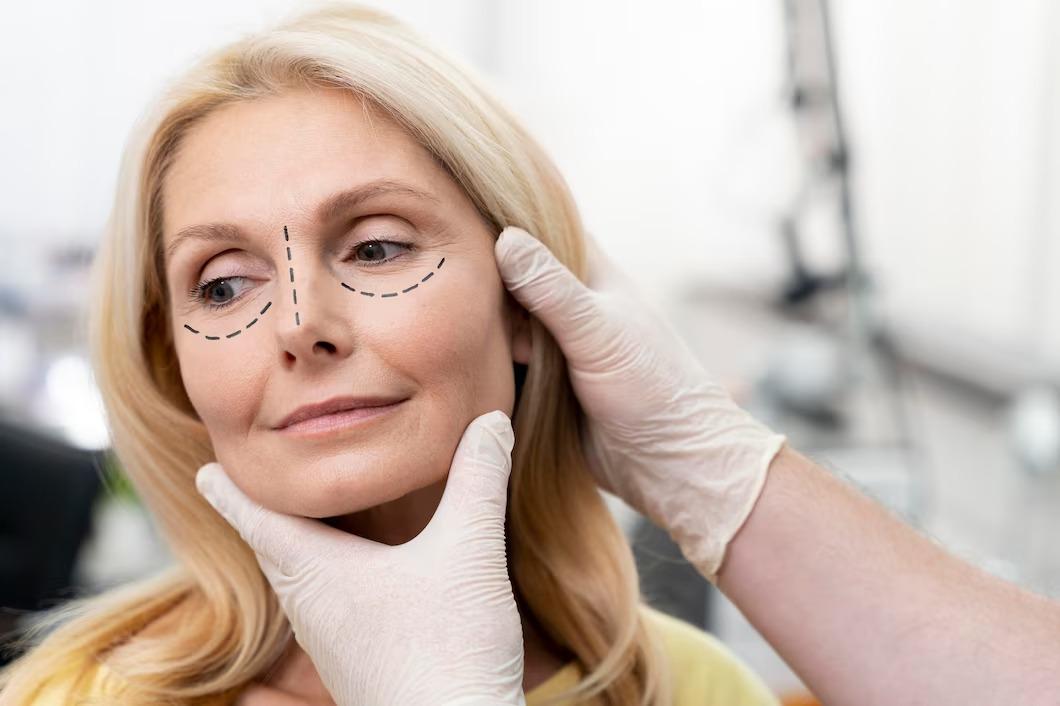
Facelift Surgery: how it's performed and its impressive results
A facelift is a cosmetic surgical procedure that tightens and lifts facial tissues and improves the visible signs of aging on the face and neck. A facelift is also called a facial wrinkle removal procedure.
Why is a facelift performed?
As we age, wrinkles and sagging appear because the skin and tissues naturally lose elasticity. Therefore, we perform a facelift, which involves removing excess skin, tightening facial tissues, and smoothing wrinkles. Besides aging, there are many different reasons for needing a facelift, but the most common reason is to help conceal the signs of skin aging.
What are the procedures for a facelift?
A facelift involves a series of procedures. The surgeon lifts the skin away from the deep facial muscles and fat, gently pulls the skin upward and backward, removes excess skin, and then sutures or tapes the incisions to close them. The size of the incisions varies from patient to patient. The traditional incision for a facelift starts at the front of the ear and extends to the hairline and behind the ear to the hair-bearing scalp. During a facelift, a neck lift can be performed through an incision only under the chin, where excess skin and fat are removed and the neck skin is pulled upwards and backs.
What are the potential risks of a facelift?
A facelift is a surgical procedure that, like any surgery, can cause complications. Some of these complications can be treated with medication, proper aftercare, and other measures. The risks and complications of a facelift include:
- Skin necrosis, or tissue death.
- Bleeding.
- Scarring: Corticosteroid injections can be used to improve the appearance of scars.
- Hair loss around the incision site: Permanent hair loss can be treated surgically.
- Hematoma: This is the most common complication of a facelift. Prompt surgical treatment helps prevent damage to the skin and other tissues.
- Heart problems.
- Blood clots.
- Infection.
It is essential to discuss all the potential risks of a facelift, have the expected results explained by the doctor, and fully inform the patient about the procedure to determine if it is suitable for them.
Who are not candidates for a facelift?
People with one of the following conditions:
Diabetes and high blood pressure. People who smoke: Smoking negatively affects wound healing.
People who take blood-thinning medications or supplements.
Anyone with serious medical conditions.
Who are candidates for a facelift?
People who don't smoke.
Healthy individuals who don't have conditions that affect wound healing.
Does a facelift last forever?
A facelift doesn't last forever. The results of a facelift can last up to 10 years. Research indicates that five and a half years after surgery, 21 percent of facelifts relapse, but 76 percent of people still look younger than they did before the procedure.
Finally, after discussing facelift surgery as a cosmetic procedure, there is no medical need for a facelift. Furthermore, to achieve optimal results, a person may need additional procedures besides a facelift. After learning this information about facelift surgery, would you prefer to undergo this procedure or not?